

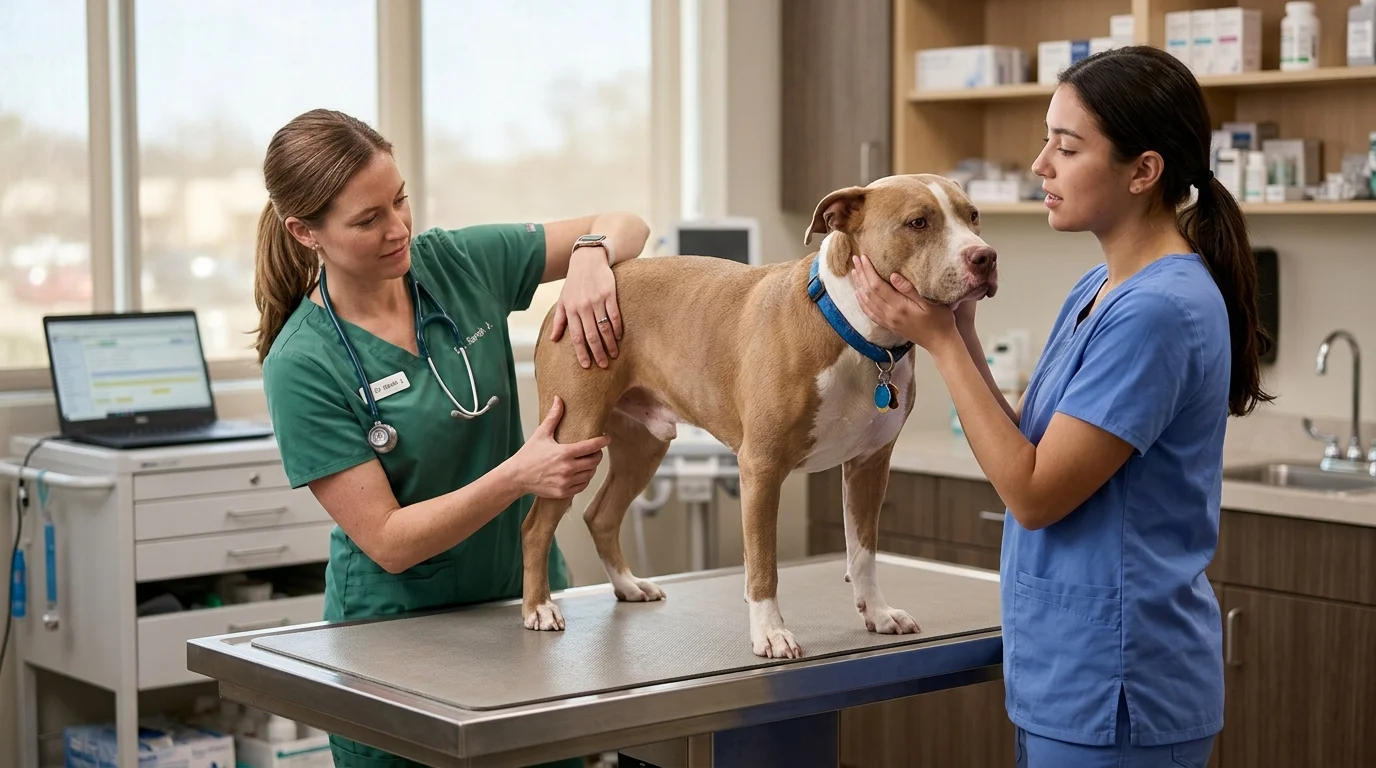
If you’re wondering how long do pitbulls live, a common estimate is about 10 to 14 years. That range is only a planning guide because “Pit Bull” can describe several related breeds and mixes. Genetics, body size, weight, preventive care, and disease can all change an individual dog’s lifespan.
The good news is that owners can influence several factors linked with healthy aging. Keeping a dog lean, active, and current on veterinary care supports health throughout adulthood. Knowing common breed-related concerns also helps owners notice changes earlier.
Quick answer: Most Pit Bull-type dogs live about 10 to 14 years, although individual lifespan varies. Breed ancestry, genetics, body size, weight, preventive care, exercise, and disease all matter. Some Staffordshire Bull Terriers can live 12 to 15 years, while mixed ancestry makes one universal number impossible.
Pit Bull Lifespan at a Glance
| Question | Practical answer |
|---|---|
| Typical Pit Bull-type lifespan | About 10–14 years |
| Is “Pit Bull” one breed? | No. The term often covers several related breeds and mixes |
| Staffordshire Bull Terrier lifespan | AKC lists 12–15 years |
| Major lifespan influences | Genetics, size, weight, disease, nutrition, exercise, veterinary care |
| Common health concerns | Allergies, hip dysplasia, cataracts, and obesity |
| When does senior care matter more? | Often during the later quarter of expected life |
| Can good care guarantee a longer life? | No, but it can reduce preventable health risks |
The 10-to-14-year figure should not be treated like an expiration date. Some dogs die younger because of illness, trauma, or inherited disease. Others remain active into their mid-teens with favorable genetics and appropriate care.
Key Takeaways
- “Pit Bull” describes a group of related dogs rather than one universally defined breed.
- About 10 to 14 years is a useful general planning range.
- Staffordshire Bull Terriers have an AKC life expectancy of 12 to 15 years.
- Healthy weight, suitable exercise, dental care, and veterinary visits deserve attention.
- Skin, joint, eye, and weight problems can affect comfort and long-term health.
- Senior care should respond to the individual dog instead of one birthday.
How Long Do Pitbulls Live Compared With Other Dogs?
Medium-sized dogs often have longer lifespans than large and giant breeds. The American Kennel Club gives many medium breeds a general range around 10 to 13 years. A large 2024 study also found median survival near 12.5 years among medium purebred dogs.
That broader evidence helps explain why a 10-to-14-year estimate is reasonable for many Pit Bull-type dogs. Yet ancestry still matters because the label covers dogs with different sizes and genetic backgrounds. Owners with DNA results or known pedigrees can use the closest identified breed as an additional reference.
Staffordshire Bull Terriers provide a useful example. The AKC lists their life expectancy at 12 to 15 years. A UK veterinary life-table study estimated life expectancy at birth around 11.3 years for the breed.
Those numbers are not contradictory because they come from different methods and populations. Breed guides usually present expected ranges, while population studies measure outcomes within particular datasets. Your veterinarian can interpret those averages alongside your dog’s actual health history.
Why “Pit Bull Lifespan” Is Not One Exact Number
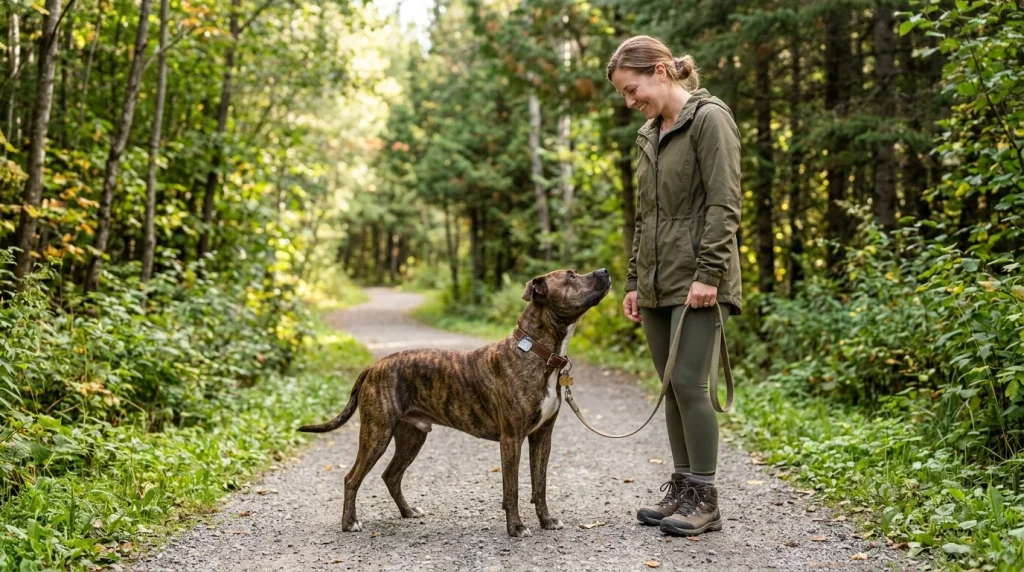
The term “Pit Bull” can include American Pit Bull Terriers and several similar-looking breeds or mixes. PetMD describes it as a broad label covering multiple related dogs rather than one kennel-club category. That makes a single universal lifespan figure misleading.
Two dogs called Pit Bulls may differ considerably in adult weight and inherited health risks. Their breeding history may also be unknown, especially after shelter adoption. For that reason, health records often matter more than appearance alone.
Size creates another important difference across dogs generally. Large breeds tend to have shorter lifespans than many medium and small breeds. A dog’s mature size can therefore provide useful context when ancestry remains uncertain.
What Can Affect a Pit Bull’s Lifespan?
Genetics and inherited health
Genetics influence body structure, disease susceptibility, and many other health traits. Owners cannot change inherited genes after birth. They can still use screening, veterinary examinations, and family health information to identify concerns sooner.
This matters especially when buying a puppy from a breeder. Ask for documented health testing instead of relying on a general “vet checked” statement. For adopted dogs, routine examinations establish a valuable health baseline.
Body weight and nutrition
Excess weight adds stress to joints and can complicate several medical conditions. PetMD specifically identifies obesity as a health concern for these dogs. Maintaining an appropriate body condition is more useful than chasing one ideal number on a scale.
Feed a complete diet that matches your dog’s life stage and activity level. Measure meals when weight starts creeping upward. Petistra’s guide to healthy green-bean treat swaps for dogs can help owners replace higher-calorie extras.
Home cooking requires more planning than combining meat, vegetables, and rice. Long-term recipes need proper nutrient balance rather than appealing ingredients alone. Review Petistra’s homemade dog food nutrition guide before changing a dog’s main diet.
Exercise and muscle health
Regular activity helps maintain muscle, mobility, and an appropriate body condition. The amount should match age, fitness, weather, and any medical restrictions. Older dogs often benefit from shorter sessions rather than suddenly stopping activity.
Watch the dog after exercise as well as during it. Stiffness, limping, or reluctance to rise deserves attention when it persists. These changes can signal pain rather than normal aging.
Senior dogs sometimes still enjoy outings after their walking endurance declines. In those cases, mobility aids may extend safe outdoor time. Petistra’s dog stroller guide for seniors and limited mobility explains when assisted transportation can make sense.
Preventive and dental care
Routine veterinary care can catch weight changes, skin problems, pain, and other concerns before they become severe. The appropriate visit schedule depends on age and medical history. Senior dogs or those taking medications may need closer monitoring.
Dental care also deserves a place in the routine. Brushing removes plaque more effectively than relying on cosmetic breath products. Petistra’s dog toothpaste and brushing guide explains safe products and practical brushing steps.
Health Problems Owners Should Watch For
PetMD lists allergies among common health concerns in Pit Bull-type dogs. Signs can include itching, irritated skin, and hair loss. Persistent symptoms deserve veterinary assessment because several conditions can look similar.
Hip dysplasia can also affect mobility and comfort. Possible signs include hind-leg lameness, trouble rising, or reluctance to jump. Keeping affected dogs lean can reduce unnecessary stress on painful joints.
Cataracts may cause cloudy eyes or changes in vision. A dog may begin bumping into objects or acting uncertain in familiar spaces. Sudden vision changes warrant a veterinary examination rather than waiting for the next routine visit.
Obesity deserves equal attention because owners can overlook gradual weight gain. Ask your veterinarian to show you how to assess body condition. That skill is more useful than judging weight from coat shape alone.
Helping an Adult Dog Age Well
Start with consistent routines rather than searching for one longevity supplement. Feed measured portions, provide regular activity, and maintain preventive veterinary care. Those habits support several body systems at once.
Pay attention to changes from your dog’s normal behavior. New thirst, weight loss, reduced stamina, coughing, lumps, pain, or appetite changes deserve discussion with your veterinarian. Early assessment gives you more information and often more treatment choices.
Keep written records as the dog gets older. Track medications, weight, unusual symptoms, and changes in movement or appetite. A simple record can make subtle trends easier to explain during appointments.
Quality of life matters alongside lifespan. A comfortable twelve-year life is more meaningful than chasing an age record through unnecessary restrictions. The goal is more healthy time, not merely a larger birthday number.
When Is a Pit Bull Considered a Senior?
There is no single birthday when every dog becomes senior. Size, health, ancestry, and expected lifespan all influence that transition. Many medium-sized dogs need more age-focused monitoring during their later years.
You may notice slower recovery after exercise or longer sleep before obvious medical problems appear. Schedule veterinary advice when those changes become persistent or significant. Do not assume every new symptom comes from age.
Senior care may include diet adjustments, pain management, dental treatment, blood testing, or modified exercise. The right plan depends on examination findings rather than age alone. Reassessing the plan regularly helps it follow the dog’s changing needs.
Frequently Asked Questions
How long do pitbulls live on average?
A useful general estimate is about 10 to 14 years for many Pit Bull-type dogs. That estimate varies because the label includes several breeds and mixes. Known ancestry, size, genetics, and health history can provide a more personalized expectation.
Can a Pit Bull live for 15 years?
Yes, reaching 15 is possible for some dogs. The AKC lists Staffordshire Bull Terriers at 12 to 15 years. Individual dogs may fall below or beyond any published breed range.
What usually affects a Pit Bull’s lifespan most?
There is no single factor that determines an individual dog’s age at death. Genetics, adult size, body condition, disease, environment, and medical care all contribute. Owners have the most control over daily care and timely veterinary attention.
Do mixed Pit Bulls live longer than purebred dogs?
You cannot reliably predict one dog’s lifespan from mixed ancestry alone. A 2024 UK study found longevity patterns varied across breed, size, sex, and lineage. Individual genetics and health still matter more than a simple purebred-versus-mixed label.
The Bottom Line
Most owners can use 10 to 14 years as a practical lifespan range for a Pit Bull-type dog. The number is an estimate, not a promise or deadline. Breed ancestry and individual health can move a dog outside that range.
Focus on the factors you can influence throughout your dog’s life. Keep weight under control, provide suitable activity, care for the teeth, and schedule appropriate veterinary visits. Seek veterinary help when behavior, appetite, mobility, breathing, skin, or weight changes unexpectedly.
If your dog is entering the later years, use the next veterinary appointment as a senior-care baseline. Ask about body condition, joints, teeth, preventive testing, and exercise changes. A plan built around the individual dog is more useful than any lifespan average.