
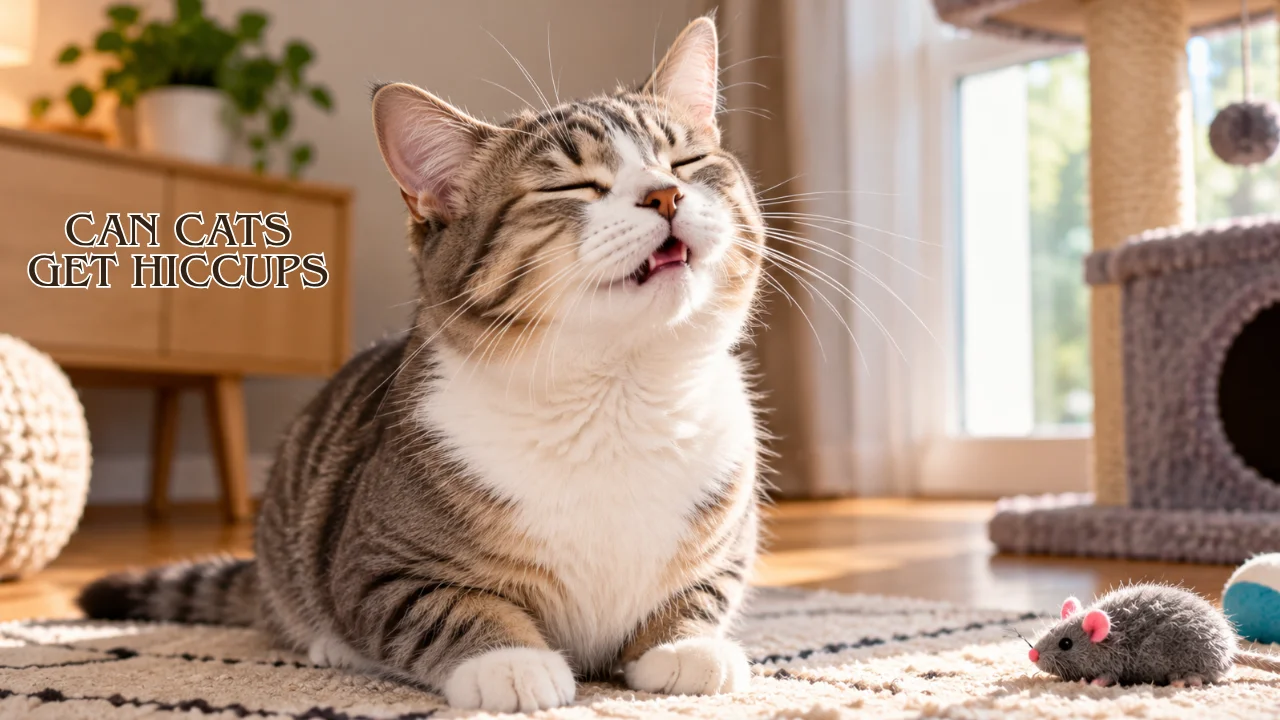
Yes, cats can get hiccups, although you may never hear the familiar “hic” people make. Feline hiccups can sound like tiny chirps or squeaks, while some episodes are almost silent. Most brief episodes are harmless, especially after eating.
Hiccups come from involuntary contractions of the diaphragm, the muscle that helps you breathe. They often disappear within a few minutes without treatment. Frequent episodes, breathing trouble, coughing, or other signs of illness warrant veterinary attention.
Cat Hiccups at a Glance
| What to know | Quick answer |
|---|---|
| Can cats hiccup? | Yes. |
| What causes the movement? | Involuntary contractions of the diaphragm |
| What can they sound like? | Quiet chirps, squeaks, or repetitive small sounds |
| Common triggers | Eating quickly, swallowing air, overeating, or throat irritation |
| Are kittens affected? | Yes, and kittens may have hiccups more often. |
| How long do normal episodes last? | Usually a few minutes |
| When should you call a vet? | When episodes persist, recur frequently, or accompany other symptoms |
| Emergency warning | Difficulty breathing or open-mouth breathing needs urgent veterinary care. |
The Short Answer: What Are Cat Hiccups?
Cat hiccups are involuntary diaphragm contractions that can cause small, repetitive movements and quiet sounds. They are usually brief and harmless. Eating too quickly and swallowing air are common triggers. Persistent episodes need more attention because coughing, respiratory disease, or another medical problem can sometimes look like ordinary hiccups.
A cat’s diaphragm separates the chest from the abdominal cavity and helps move air during breathing. Temporary irritation in this system can trigger a series of spasms. That basic mechanism resembles the process responsible for human hiccups.
The key factors are duration and frequency. One short episode in a comfortable, playful cat usually carries less concern. A new pattern that happens every day deserves a closer look.
What Do Cat Hiccups Sound and Look Like?
Don’t expect your pet to sound exactly like a hiccuping person. Feline episodes may produce a soft chirp, squeak, or almost no audible sound. You might notice small, rhythmic movements around the chest or abdomen instead.
The contractions usually repeat at short intervals before disappearing. Your pet should remain comfortable and able to breathe normally during an ordinary episode. Behavior should also return to normal once the contractions stop.
Watching the whole body can tell you more than listening for a sound. A relaxed animal experiencing tiny rhythmic contractions looks different from one crouching and struggling to breathe. Recording a short video can also give your veterinarian useful information.
Why Do Cats Get Hiccups? 6 Possible Causes
Several triggers can produce hiccup-like contractions. Some are harmless habits, while others need veterinary investigation. The pattern of each episode can provide useful clues.
1. Eating Too Fast
Fast eating is one of the simplest explanations. A pet that gulps food can swallow air along with each mouthful. That extra air may contribute to irritation and diaphragm spasms. Look at when the episodes happen. Hiccups that consistently start soon after meals are worth checking against how fast the pet eats. Smaller portions or a suitable slow-feeding method may help.
2. Eating Too Much at Once
A large meal expands the stomach and can leave an animal uncomfortable. That fullness may contribute to short bouts of hiccup-like contractions. This explanation becomes more plausible when episodes follow unusually large meals.
Portion control can help reduce the problem. Follow the feeding guidance for your pet’s food and veterinary needs. Sudden appetite changes still deserve attention, not automatic portion adjustments.
3. Swallowed Air
Food isn’t the only way an animal can swallow extra air. Rapid eating or drinking can increase how much enters the digestive tract. The resulting episode may disappear after the pet settles. Repeated air swallowing may indicate that the underlying eating behavior needs attention. Observe meal speed and competition around food bowls.
Multi-cat households may benefit from separate feeding areas when one animal rushes meals.
4. Hair and Throat Irritation
Swallowed hair can irritate the digestive tract or throat as a cat grooms. That irritation may sometimes occur around episodes that owners describe as hiccups. It can also create gagging or retching that looks similar. Don’t assume every repeated throat movement is a hairball.
Frequent vomiting or repeated hairball episodes may warrant a veterinary investigation. Petistra’s guide to why cats throw up explains how vomiting, regurgitation, and hairballs can differ.
5. Irritation Affecting the Diaphragm
The diaphragm does most of the muscular work involved in normal breathing. Irritation affecting it or related nerves can produce involuntary contractions. A brief isolated episode may end without any intervention. Persistent contractions create a different situation. They can occasionally accompany medical problems rather than a simple meal-related trigger.
A veterinarian can decide whether an examination or further testing is appropriate.
6. A Medical Problem That Looks Like Hiccups
Coughing, retching, gagging, and respiratory problems can look like hiccups. This distinction matters because those signs have different causes and treatments. Asthma and other respiratory disorders can cause repeated movements that owners may initially mistake for hiccups. The Cornell Feline Health Center notes that feline asthma affects between 1 and 5% of cats, so it is worth ruling out when episodes keep returning.
If your cat is also sneezing, Petistra’s guide to a cat sneezing a lot covers related warning signs. Watch closely for breathing effort and body posture. Cats experiencing respiratory distress may breathe rapidly, stretch their neck, or breathe with their mouth open. Those signs require prompt veterinary attention.
Can Cats Get Hiccups After Eating?
Yes, and the timing often provides the biggest clue about the cause. An animal that eats quickly may swallow extra air with its food. A large meal can also temporarily distend the stomach. Try observing one complete meal before changing anything. Note how quickly the bowl empties and whether the episode starts immediately afterward.
This simple observation can give your veterinarian useful context if the problem continues. If your pet repeatedly vomits after meals, don’t assume hiccups explain everything. Vomiting involves different movements and can have many medical causes. Petistra’s cat vomiting guide covers warning signs that should prompt veterinary care.
Hiccups, Coughing, or Gagging: How to Tell the Difference
These behaviors can look surprisingly similar from across the room. The safest approach is to watch the posture, sound, breathing, and outcome. A phone video can be more useful than trying to describe an unusual noise later.
| Behavior | What you may notice | What happens afterward? |
|---|---|---|
| Hiccups | Small rhythmic contractions, possibly a quiet chirp | Usually nothing comes up. |
| Coughing | Stronger, forceful movements and respiratory sounds | Usually no hairball appears. |
| Gagging or retching | Noticeable throat or abdominal effort | Vomit or a hairball may follow. |
| Regurgitation | Food returns with little abdominal effort. | Often occurs soon after eating |
| Respiratory distress | Rapid or difficult breathing, possibly open mouth | Needs urgent assessment |
Coughing deserves particular attention when it keeps returning. Cats can cough because of airway inflammation, infections, asthma, parasites, or inhaled irritants. A veterinarian should investigate persistent coughing instead of treating it as hiccups at home.
Open-mouth breathing is more concerning. Unlike a short bout of ordinary diaphragm spasms, difficulty breathing can become an emergency. Seek urgent veterinary help when breathing looks labored, or your pet cannot settle comfortably.
What to Do When Your Cat Has Hiccups
First, watch rather than trying a human hiccup remedy. Brief episodes generally stop without intervention. Keep the environment calm and make sure breathing remains normal. If episodes regularly follow meals, focus on feeding behavior. Smaller portions can reduce how much food enters the stomach at once. An appropriate slow feeder may also help an animal that consistently gulps food.
Keep fresh water available as usual. Never force water into a cat’s mouth to stop hiccups. Forced drinking can cause stress and create an unnecessary aspiration risk. Regular grooming may reduce the amount of loose hair swallowed during self-grooming. This can help pets that shed heavily. Frequent hairballs or vomiting still warrant investigation because grooming isn’t the only possible cause.
What Not to Do
Human hiccup tricks aren’t designed for animals. Don’t frighten your pet, force food or water, or attempt breath-holding techniques. These methods can cause stress without addressing the trigger. Avoid giving human medicines unless a veterinarian specifically tells you to. Many medications that people tolerate can be dangerous for pets. Treatment should target the diagnosed problem, not the hiccup itself.
You also shouldn’t ignore a major change because the movements look harmless. A pet that suddenly develops repeated episodes may be showing something other than hiccups. Video the behavior and contact your veterinary clinic when you’re uncertain.
When Should You Worry About Cat Hiccups?
Duration alone isn’t the only factor. Frequency, age, appetite, energy, and accompanying symptoms all matter. A brief episode after a rushed meal differs from repeated unexplained episodes in a sick animal. Contact your veterinarian when the episodes become frequent, unusually prolonged, or clearly different from your pet’s normal behavior.
Seek advice sooner when they occur with coughing, vomiting, poor appetite, weight loss, or lethargy. Petistra’s guide on how long cats can go without food explains why you should never ignore prolonged loss of appetite. Breathing difficulty requires faster action. Open-mouth breathing, obvious respiratory effort, blue or gray gums, collapse, or severe distress can indicate an emergency.
Contact an emergency veterinary hospital rather than waiting for the episode to resolve.
How to Help Prevent Meal-Related Hiccups
Start by measuring how long your pet takes to finish a normal meal. A bowl that empties almost immediately suggests that slowing meals could help. Smaller servings can also reduce gulping and stomach distension. Consider feeding cats separately when competition makes one animal rush. A quiet feeding area can make meals less stressful and easier to monitor.
Then you can see whether changing meal speed changes the frequency of episodes. Keep notes if the problem continues. Record the episode length, meal timing, food, accompanying symptoms, and unusual behavior. This creates a useful timeline if your veterinarian needs to investigate further.
The Bottom Line
So, can cats get hiccups? Yes, and a short episode after eating is usually less concerning than it looks. Fast eating, swallowed air, and temporary irritation can all contribute to brief diaphragm spasms. What matters most is recognizing when the behavior stops looking ordinary. Persistent episodes, coughing, vomiting, appetite changes, or lethargy justify a veterinary call.
Breathing difficulty or open-mouth breathing requires urgent care. When possible, record the episode before it ends. A short video plus notes about meals and symptoms can help your veterinarian distinguish hiccups from coughing or retching. That information can make the next step much clearer.
Frequently Asked Questions
Can cats get hiccups like humans?
Yes. Whether cats can get hiccups has a straightforward answer: they can. The basic process involves involuntary contractions of the diaphragm. Their hiccups may sound quieter and less recognizable than ours.
Most isolated episodes end without treatment. Discuss repeated or prolonged episodes with a veterinarian. The same applies when another symptom appears at the same time.
Are hiccups normal in kittens?
Kittens can hiccup, and owners may notice it more easily in young animals. Short episodes in an otherwise active kitten are often not alarming. Eating quickly can trigger hiccups. Young animals can also become sick quickly. Contact a veterinarian if a kitten has poor appetite, vomiting, diarrhea, weakness, or breathing problems. Don’t assume every repetitive movement is harmless.
Why does my cat hiccup after eating?
Fast eating and swallowed air are common possibilities. Large meals may also contribute to temporary stomach distension. Watch whether episodes consistently start soon after eating. Try smaller meals and methods that safely slow eating. If the problem continues despite those changes, ask your veterinarian for advice. Persistent symptoms may have another explanation.
Can a hairball cause hiccup-like movements?
Hair and throat irritation can produce movements that owners interpret as hiccups. Gagging and coughing are also commonly confused with them. What happens during and after the episode helps separate these behaviors.
Repeated hairballs shouldn’t automatically be considered normal. Frequent vomiting or retching can signal another health problem. Recording an episode gives your veterinarian a clearer picture.
How long do cat hiccups last?
Ordinary episodes are generally brief and often disappear within minutes. There isn’t one exact safe duration for every animal. Frequency and accompanying symptoms matter as much as the clock.
Contact your veterinarian if episodes persist, become frequent, or suddenly change. Seek urgent care for breathing difficulty or severe distress. Don’t treat those signs as simple hiccups.