

Watch a dog cross the room, and something about its back legs may look strange compared with your own. The joint halfway down seems to bend backward, while the heel appears to stay permanently off the floor. That unusual-looking posture makes sense once you know one word: digitigrade.
Short answer: Digitigrade means an animal stands or moves with its heel raised and its weight carried mainly through the toes and paw pads. Cats and dogs both move this way. Their hind-leg “hock” is the ankle, not a backward knee, and the long segment below it belongs to the foot.
Understanding this anatomy does more than settle a biology question. It explains why your pet’s legs look the way they do, which parts of a paw actually bear weight, and why a sudden change from normal toe-walking can matter medically. Dogs and cats share the same basic toe-walking pattern, though each species uses it somewhat differently.
Key takeaways
Cats and dogs are digitigrade animals: they normally stand and walk with their heels raised.
The hock on a hind leg is comparable to a human ankle, not a backward-facing knee.
Humans and bears are plantigrade, meaning more of the foot contacts the ground.
Horses and deer are unguligrade, supporting their weight on the ends of their digits inside hooves.
Dogs and cats contact the ground through their digital pads and larger central paw pad, rather than through a human-style heel.
A sudden “dropped hock” or unusually flat-footed stance, especially in a cat, deserves veterinary attention.
What Does Digitigrade Mean?
Digitigrade describes a way of standing and moving in which the heel remains elevated while the animal bears weight through its digits, or toes. Veterinary anatomy texts classify dogs and cats this way, in contrast with plantigrade animals such as humans and unguligrade animals such as horses. This arrangement effectively adds the metacarpal or metatarsal portion of the foot to the limb’s functional length.
That does not mean a dog or cat balances on the very tips of its toes like a human trying to stand on tiptoe. In dogs, for example, the digital pads and the larger metacarpal or metatarsal pad make contact with the ground while the heel remains elevated. Research on carnivore footpads describes these structures as important load-bearing tissues built to handle repeated compression during normal movement.
Are Cats and Dogs Digitigrade?
Yes, both domestic cats and dogs are classic examples of digitigrade mammals. When either animal stands normally, the hind-leg heel doesn’t sit on the floor the way yours does. Instead, the hock remains elevated, and the animal’s paw pads and toes form the main contact area with the ground.
Cats and dogs use the same general foot posture, but that does not make their movement identical. Research comparing the species notes that both share this foot posture but still have different movement patterns, and feline paws have joint adaptations that support both locomotion and the considerable mobility cats use when climbing, pouncing, and manipulating objects. That distinction matters because “digitigrade” describes the foot posture, not every detail of how an animal moves.
The “Backward Knee” on a Dog or Cat Is Actually an Ankle
One of the easiest ways to understand these legs is to compare a pet’s bones with your own. On a dog or cat’s hind limb, the true knee, or stifle, sits much closer to the body than many people realize. The prominent joint lower down that points backward is the hock, an anatomical region corresponding broadly to the human ankle.
Below the hock are elongated foot bones leading toward the toes, which makes the lower portion of the leg look unusually long. Humans normally place that equivalent part of the foot along the ground, while a dog or cat holds it elevated. Once you picture the animal as standing on an extended foot rather than on a strangely constructed lower leg, its anatomy becomes much easier to read.
| What you see | Dog or cat anatomy | Rough human comparison |
|---|---|---|
| Upper hind-leg joint | Stifle | Knee |
| Backward-pointing lower joint | Hock | Ankle |
| Long section below hock | Metatarsal region | Middle of the foot |
| Paw contact area | Digital pads and main paw pad | Forefoot/toe region |
| Heel | Raised off the ground | Human heel |
The same basic principle applies to the front limbs, although the anatomical names change. A dog or cat’s carpus corresponds roughly to the human wrist, while the metacarpal region leads from the carpus toward the front paw. The animal is therefore not simply a four-legged human with shortened feet; the proportions and weight-bearing strategy are fundamentally different.
Digitigrade vs. Plantigrade vs. Unguligrade
This foot posture is easiest to understand when it is placed between the two other major patterns. Veterinary anatomy commonly describes plantigrade, digitigrade, and unguligrade arrangements according to how much of the foot contacts the ground. Each design changes the limb’s effective length and orientation.
| Foot posture | What contacts the ground | Familiar examples | Heel position |
|---|---|---|---|
| Plantigrade | Most or all of the sole | Humans, bears | Down |
| Digitigrade | Toes and paw-pad region | Dogs, cats | Raised |
| Unguligrade | Ends of digits within hooves | Horses, deer | Highly elevated |
This comparison also clears up a common misconception about horses. Horses may look like extreme toe-walkers, but veterinary anatomy places them in the unguligrade group because functional contact is concentrated at the hoof and distal digit. Dogs and cats retain a broader set of weight-bearing toes and paw pads, so their posture belongs in the intermediate digitigrade category.
Why Do Digitigrade Animals Walk This Way?
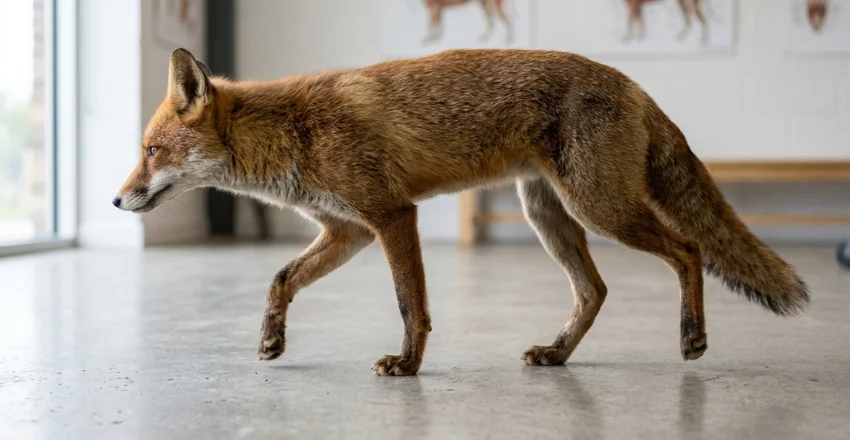
Raising part of the foot off the ground increases the limb’s functional length without requiring the upper leg to become proportionally longer. University of Minnesota veterinary anatomy materials describe this reduction in ground-contact area and elevation of the metacarpal or metatarsal region as a way of lengthening the distal limb. That body plan is common among running carnivores, including the domestic dogs and cats living in our homes.
Longer functional limbs can contribute to efficient strides and quick movement, but this posture should not be treated as a magic explanation for speed. Body size, muscle architecture, spinal movement, joint range, and many other features determine how an animal actually runs. Foot posture is one important part of a much larger locomotor system.
Paw pads also have a mechanical job because they repeatedly meet the ground while the heel remains elevated. Studies of canine and other carnivore pads describe fatty tissue divided by collagen structures, creating a cushioning system that helps handle impact and compression. Research on dog paws also shows that the pad works as a multilayer structure that attenuates forces during contact with the ground.
Why This Anatomy Matters to Pet Owners
Knowing the word is useful, but recognizing normal anatomy is more valuable. Once you understand where the hock, paw pads, and toes belong, it becomes easier to notice a pet standing differently from usual. Changes in limb position, weight bearing, or stride often deserve more attention than the exact anatomical label attached to them.
Nail length can change how the paw meets the floor
Because dogs bear weight through the paw and digits, excessively long nails can interfere with normal contact and make movement less comfortable. Nails should not replace the weight-bearing pads during an ordinary stance, and sudden changes in how a dog places a paw deserve investigation. Petistra’s dog nail trimming guide explains how to remove small amounts safely while avoiding the quick.
Regular paw checks are especially useful for active dogs because nails, pads and toes all participate in the contact phase of a stride. Look for cracked pads, torn nails, swelling between the toes, or repeated licking of one foot. A dog that suddenly shortens its stride or avoids loading one paw is showing a change in function, not merely a quirky way of walking.
Paw pads are functional anatomy, not just cushions
The large central pad and smaller digital pads are built to tolerate repeated contact with the ground. Their structure helps distribute and absorb mechanical loads as the paw lands, which is particularly important in animals whose heel remains elevated. That is one reason cuts, burns, embedded objects, and pad injuries can produce an obvious change in gait even when the bones and joints are normal.
Surface conditions matter as well because the pads are the interface between the animal and the environment. Very hot pavement, ice, sharp gravel, or damaged flooring can turn normal locomotion into painful movement quickly. Checking the feet after an unusually long hike or rough outing is therefore a simple habit with real practical value.
A sudden flat-footed stance is not normal anatomy
A healthy cat normally keeps its heels raised, so a cat that begins standing with its hind hocks much closer to the floor has changed its usual posture. Cornell University’s College of Veterinary Medicine notes that uncontrolled diabetes can occasionally damage nerves in the hind limbs and produce a plantigrade stance, in which the hocks sit on or close to the ground. Merck Veterinary Manual also lists this dropped-hock posture among signs associated with feline diabetic neuropathy.
Do not use this observation to diagnose diabetes at home because gait changes have many possible causes. Injury, orthopedic disease, neurological problems, and other conditions can also alter how an animal bears weight. A new or persistent change in stance, weakness, dragging, limping, difficulty jumping, or reluctance to walk warrants a veterinary examination.
Mobility aids can be useful when a veterinarian has already recommended exercise restriction or when an older dog cannot comfortably complete a normal outing. They are not a substitute for diagnosing a new gait abnormality, however, because carrying the dog can hide the symptom without addressing its cause. Petistra’s guide to dog strollers for seniors, puppies, and recovering dogs explains how assisted transport fits into a broader mobility plan.
Can You See Digitigrade Movement at Home?
You can usually see the basic pattern simply by watching your pet walk slowly across a level floor from the side. In a dog or cat, notice that the hind hock stays above the ground while the paw lands below and slightly ahead of it. Watching in slow-motion video can make the joint sequence much easier to recognize.
Do not try to force the limb into a human-like position to “find” the heel. The bones, tendons, and joints are arranged for the animal’s normal posture, and manipulating them is unnecessary. Observing the pet move naturally is more informative and safer.
For a cat that goes outdoors on a leash, properly fitted equipment should allow normal limb and shoulder movement rather than forcing an awkward stride. Petistra’s cat harness guide compares common designs with fit and movement in mind. A cat that freezes, crouches, or walks abnormally only when the harness is on may be reacting to the equipment rather than showing its normal gait.
Examples of Digitigrade Animals
Domestic dogs and cats are the examples most pet owners encounter every day, but the posture occurs across a much wider group of animals. Wolves, foxes and many other carnivores use a digitigrade arrangement, and many birds also move with the heel-equivalent structures elevated. The exact skeletal proportions vary considerably, so sharing the same posture does not mean the animals have identical feet.
Keep that variety in mind when the term appears in wildlife documentaries, veterinary notes, or anatomy diagrams. Digitigrade describes a locomotor pattern rather than a taxonomic group. Two species can be distantly related and still arrive at a similar way of supporting the body during movement.
Frequently Asked Questions
Are humans digitigrade?
Humans are normally classified as plantigrade because the heel, midfoot, and forefoot participate in ordinary standing and walking. A person can temporarily rise onto the toes, but doing so does not change the normal anatomical classification of the species. Toe-walking animals are built to maintain their elevated-heel posture as their routine way of standing and moving.
Are dogs digitigrade or plantigrade?
Dogs are digitigrade animals. Their heels remain elevated while the toes and paw-pad region support the body during normal standing and locomotion. If a dog suddenly begins dropping a hock or bearing weight noticeably differently, evaluate it for a possible orthopedic or neurological problem rather than assuming it is simply changing posture.
Are cats digitigrade?
Yes, healthy domestic cats normally use a digitigrade stance. Their elevated heels and flexible paws contribute to the characteristic shape of the feline hind limb, although foot posture is only one part of their agility. A sudden shift toward a flat-footed hind stance is abnormal enough to warrant veterinary attention, especially when weakness or other symptoms appear.
Are horses digitigrade?
No, horses are generally classified as unguligrade, not digitigrade, in veterinary anatomy. They support their weight through a highly specialized distal digit enclosed by the hoof, while dogs and cats retain multiple weight-bearing digits and pads. This distinction is why horse, dog, and human limbs are frequently used as textbook examples of unguligrade, digitigrade, and plantigrade anatomy, respectively.
The Bottom Line
Digitigrade is the anatomical term for the toe-based stance you see every time a healthy cat or dog walks across the room. The raised heel, long-looking lower limb, and weight-bearing paw pads are normal parts of that design, not evidence of a backward knee. Once you know what normal toe-walking looks like, you are also better equipped to notice when your pet’s stance changes and a veterinarian should take a closer look.