

A 3 month old kitten is about 12–13 weeks old, typically fully weaned, much more coordinated, and entering a busy learning stage. Most need a steady routine built around growth-formulated food, active play, sleep, positive training, and preventive veterinary care. At this age, you are also approaching teething, vaccine boosters, parasite prevention, and spay-or-neuter planning.
Short answer: At 12 weeks, focus on three meals of growth-formulated food, fresh water, daily interactive play, reliable litter habits, and a safe home. Keep vaccine and parasite appointments on schedule, start gentle grooming and carrier practice, and ask your veterinarian about spay or neuter timing before five months.
| Care area | What is typical around 12 weeks | What to do now |
|---|---|---|
| Growth | Many average-size young cats are near 3 pounds, but size varies | Track weight gain and body condition rather than chasing one number |
| Feeding | Three scheduled meals per day usually work well | Feed a complete, balanced diet made for growth |
| Teeth | Adult teeth may begin replacing baby teeth around 3–4 months | Provide safe chewable toys and redirect biting away from hands |
| Vaccines | The initial vaccine series is still underway | Keep boosters on the schedule set by your veterinarian |
| Parasites | Fleas, intestinal parasites, and other risks still need prevention | Follow a year-round prevention plan appropriate for your area |
| Training | Play, scratching, litter habits, and handling skills are developing | Reward the behavior you want instead of punishing mistakes |
| Spay/neuter | It is time to discuss timing with your clinic | US veterinary groups support sterilization by five months for cats not intended for breeding. |
Key takeaways
- Expect fast physical growth, energetic play, climbing, pouncing, and increasing independence.
- Three scheduled meals are a practical starting point for most healthy cats of this age.
- Teething can make chewing and playful biting more noticeable.
- Vaccine boosters and parasite prevention remain major health priorities.
- Start carrier practice, grooming, scratching habits, and short positive training sessions now.
- Contact your veterinarian when appetite, energy, breathing, digestion, or urination changes noticeably.
What Is Normal for a 3 Month Old Kitten at 12 Weeks?
A common rule of thumb puts many average-size cats close to 3 pounds at three months. That figure is not a pass-or-fail target because breed, sex, early nutrition, and individual growth all affect size. A steady upward weight trend and healthy body condition matter more than matching a single number exactly.
Movement also becomes much more controlled during this stage, so climbing, pouncing, chasing, and sudden bursts of energy are normal. Adult teeth can begin replacing baby teeth at roughly 3 to 4 months, which may increase chewing and mouthing play. Give your young cat appropriate toys instead of letting your hands or feet become play targets.
Feeding at 12 Weeks
Most healthy cats up to about six months old do well with three scheduled meals each day, according to Cornell’s Feline Health Center. Choose food labeled as complete and balanced for growth, then use its feeding directions as a starting point. Your veterinarian can adjust the amount when weight gain, activity, or body condition suggests the portion needs to change. We cover this in more depth in Kitten Growth Chart.
A practical feeding setup includes these basics.
- A growth-formulated wet food, dry food, or suitable combination.
- Fresh drinking water available throughout the day.
- Separate food and litter areas when your space allows it.
- Clean bowls that are easy to wash.
- Portion adjustments based on growth rather than an adult cat’s serving size.
Behavior, Play, and Early Training
Pouncing on ankles, chasing moving objects, wrestling with toys, and grabbing with the mouth can all appear during energetic play. Avoid using your hands as toys because that teaches biting to be part of normal interaction. If mouthy behavior is becoming difficult, Petistra’s guide to why cats bite explains common triggers and ways to respond.
Keep training brief, positive, and easy to repeat throughout the day. Reward calm handling, use scratching posts where your pet already wants to scratch, and make the litter box easy to reach. Petistra’s cat litter guide can also help you compare litter options as you establish a consistent bathroom setup.
Carrier training deserves attention before the next veterinary appointment. Leave the carrier open in a familiar room, place comfortable bedding inside, and reward voluntary exploration. Petistra’s cat carrier guide covers the main carrier designs if your current one is cramped or difficult to use.
Vaccines and Preventive Care in the US

AAHA/AAFP guidance recommends repeating the core combination vaccine every three to four weeks until 16–20 weeks of age. The Cornell Feline Health Center states that young cats need a series of doses that continue through roughly 16 weeks, so one visit does not complete the schedule. FeLV vaccination is also considered core for cats under one year, while rabies timing follows the vaccine label and applicable local law. Your veterinarian should use the existing medical record to determine the next dose in the kitten series.
Parasite protection is another part of routine care, especially when adoption history or previous treatment is uncertain. CAPC recommends year-round broad-spectrum parasite control, with deworming and testing plans tailored to age, history, location, and exposure. US veterinary organizations also support spaying or neutering cats not intended for breeding by five months of age, so this is a good visit to discuss timing.
A Simple Daily Routine at 12 Weeks
Consistency makes meals, litter habits, play, and bedtime easier for both you and your pet. The routine does not need to run by the clock, and it can change around your household schedule. What matters most is giving predictable opportunities to eat, move, learn, rest, and interact.
- Morning: Serve a meal, refresh water, scoop the litter box, and follow with interactive play.
- Midday: Offer another meal, a short handling or grooming session, and access to safe independent toys.
- Evening: Serve the final scheduled meal, provide another active play session, and practice a simple skill such as carrier entry.
- Throughout the day: Allow uninterrupted naps, provide scratching surfaces, and remove strings or small objects that could be swallowed.
When a Change Deserves a Vet Call
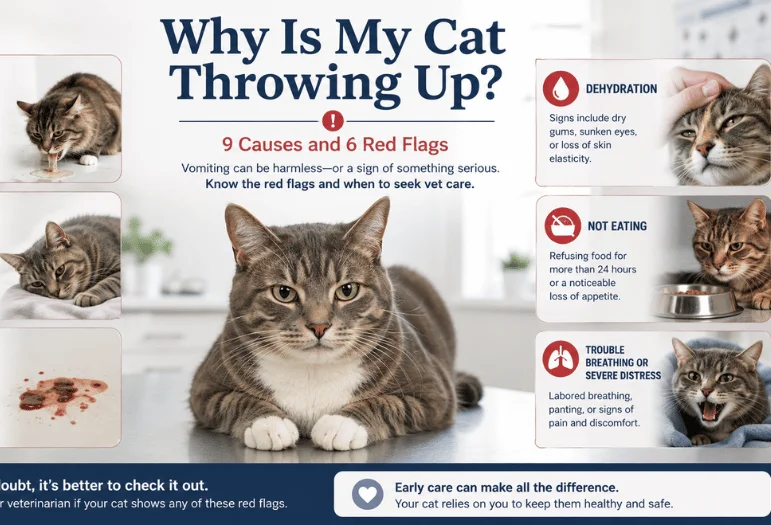
Contact your veterinary clinic if your young cat stops eating normally, has repeated vomiting or diarrhea, or becomes unusually quiet. Breathing difficulty, collapse, suspected toxin or string ingestion, and trouble passing urine deserve urgent veterinary attention. Petistra’s cat vomiting guide can help you recognize digestive warning signs, but professional advice should take priority when a 12-week-old seems sick.
Which Vaccines Are Usually Due Around 12 Weeks?
The core vaccine series is usually still in progress at this age rather than finished after one visit. AAHA/AAFP guidance calls for repeat core combination doses through at least 16 weeks, while FeLV and rabies also need to be addressed based on history and local requirements. Bring all vaccination records to your veterinarian so the clinic can build the correct kitten vaccination series without unnecessary duplication.
Your next step is to check the vaccination record, parasite plan, feeding routine, and next veterinary appointment in one sitting. Schedule the visit now if boosters or preventive care are due, then keep daily changes simple enough to repeat consistently. A predictable routine during these early months gives your growing cat a strong foundation for safer habits and a healthy adult life.
Frequently Asked Questions
Mouthy play is common at this stage, and teething can begin as adult teeth start replacing baby teeth around three to four months. Redirect teeth toward toys and stop play briefly when biting becomes too rough. Avoid hitting, yelling, or encouraging hand wrestling, as these responses can make good play habits harder to teach.
Three scheduled meals each day are a sensible starting point for most healthy cats under six months old. Young animals need food formulated for growth because their nutritional needs differ from those of adult cats. Follow theproduct’ss portion guidance and adjust it with your veterinarian as body condition changes.
Many average-sized cats weigh close to 3 pounds at this age, making 1 pound per month a useful rough rule rather than a strict standard. Breed, sex, nutrition, and early health can move an individual above or below that figure. Ask your veterinarian about body condition and growth trends if weight gain stalls or changes unexpectedly.